Stop Faster, Win More: Why Your Brake Setup Is the Performance Mod You Keep Skipping
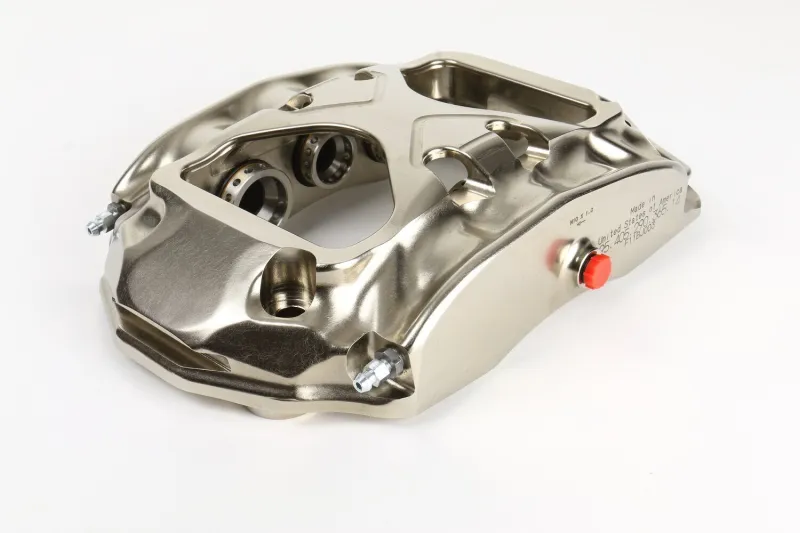
Photo: performance brake caliper rotor upgrade track day racing, via www.dundonmotorsports.com
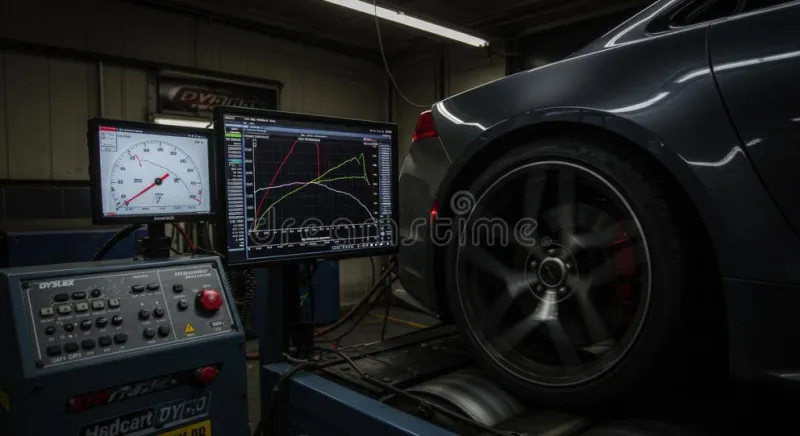
There's a particular kind of tunnel vision that takes over when you start building a performance car. You think about power. You think about boost. You think about dyno numbers and quarter-mile times. Somewhere in that obsession, the brake system becomes an afterthought—something you'll "deal with later" after the engine build is sorted.
Here's the uncomfortable truth: later sometimes doesn't come. And even when it does, you've probably been driving a fundamentally unbalanced machine the whole time.
Let's talk about stopping power—not as a safety lecture, but as a genuine performance conversation.
Why Builders Ignore Brakes (And Why That's Backwards)
The psychology here isn't hard to understand. Horsepower is exciting. It's measurable, it's braggable, and it has an obvious relationship to speed. Brakes, by contrast, feel like the opposite of going fast. They slow you down. They're not the thing you talk about at a car meet.
But anyone who's spent serious time on a road course will tell you something that takes most enthusiasts by surprise: the fastest drivers brake later and harder than everyone else. The ability to carry speed deeper into a corner before scrubbing it off is one of the most significant contributors to a fast lap. And that capability is entirely dependent on having a brake system that responds with precision and doesn't fade when it gets hot.
A driver with a well-sorted brake setup and 350 horsepower will routinely embarrass a driver with 500 horsepower and mushy, overheated stoppers. It happens at every track day, every HPDE event, every amateur road racing series in the country.
What Actually Happens When Brakes Fade
Brake fade is the enemy of fast, consistent lap times. It comes in two main forms.
Pad fade occurs when brake pad compounds overheat beyond their operating range. The binding resins in the pad material begin to vaporize, creating a gas layer between pad and rotor that dramatically reduces friction. You press the pedal and the car just... doesn't stop like it should. If you've ever experienced that spongy, disconnected feeling during a track session, that's what was happening.
Fluid fade (sometimes called vapor lock) happens when brake fluid absorbs enough heat to boil inside the calipers. Boiling fluid creates compressible gas bubbles in the lines. A normally firm pedal suddenly goes soft or goes straight to the floor. This is the more dangerous of the two, and it's almost always preventable with the right fluid and proper bleeding intervals.
Stock brake systems are engineered for street use—occasional hard stops, not repeated, sustained high-heat applications lap after lap. The moment you start tracking a car seriously, you're operating well outside the design envelope of factory components.
The Upgrade Path: Where to Start
You don't need to drop $5,000 on a full big brake kit to make meaningful improvements. In fact, a strategic $1,000–$1,500 investment in the right areas will outperform a flashy caliper upgrade on an otherwise stock system every single time.
Brake Pads: The Highest Return Investment
If you do nothing else, upgrade your pads. This is the single most impactful change you can make for track use. Street pads are soft, quiet, and designed to work cold. Performance pads—from brands like Hawk, EBC, Carbotech, and Ferodo—are formulated for specific heat ranges and provide consistent friction coefficients even when temperatures climb.
For HPDE and occasional track days, a street/track compound like the Hawk HPS 5.0 or EBC Yellowstuff offers a solid middle ground—drivable on the street without the cold-bite issues of full race compounds. If you're running competitive events, step up to a dedicated track compound. Yes, they'll dust your wheels and they'll squeal in the morning, but they'll also give you a firm, predictable pedal at the end of a long straight.
Brake Fluid: The Cheapest Insurance You Can Buy
Swap to a high-performance fluid with a dry boiling point above 500°F. Motul RBF 600, Castrol SRF, and ATE Type 200 are all proven options. A full flush and fill runs $30–$60 in materials and an hour of your time. The difference in pedal feel and fade resistance at elevated temperatures is dramatic. Flush it at least once a season if you're tracking regularly—brake fluid is hygroscopic and absorbs moisture over time, which tanks its boiling point.
Rotors: When and Why to Upgrade
Factory rotors are fine for street driving. On track, they're often undersized for sustained heat absorption and may warp under repeated heavy braking. Slotted rotors help evacuate gas and debris from the pad surface, maintaining consistent bite. Drilled rotors look great but can develop cracks under track conditions—they're more of a street aesthetic choice than a performance one.
For most track builds, a quality slotted rotor in the stock or near-stock diameter paired with the right pad compound is the move. Stepping up to a two-piece floating rotor setup (aluminum hat, iron ring) reduces unsprung weight and handles thermal expansion better—a worthwhile upgrade for more serious builds.
Big Brake Kits: When They Actually Make Sense
A big brake kit—larger diameter rotors, multi-piston calipers—is genuinely useful when your stock rotor size is a limiting factor. More rotor mass means more thermal capacity. More piston area means more clamping force and finer modulation. But here's the honest take: if your pads, fluid, and rotors are already optimized, a $3,000 big brake kit is not going to transform your lap times the way those same dollars spent on suspension or tires would. Know what's actually limiting you before you spend.
Balancing the Build
This is where the real performance conversation lives. A car is a system. Power, handling, and stopping all need to exist in proportion to each other. Pushing 400 horsepower through a car that still has stock brakes isn't just dangerous—it's slow. You'll spend more time managing a car you don't fully trust than actually driving it at the limit.
The drivers who consistently post fast, clean lap times are the ones who've built balanced machines. They brake with confidence because they know exactly what their system will do. That confidence translates directly into later braking points, which translates directly into faster laps.
The Takeaway
Your brake system is a performance component. Treat it like one. A well-chosen set of track pads, fresh high-temp fluid, and quality rotors can shave meaningful time off your laps for less money than most engine mods—and they'll keep you from having a very bad day when things get heated.
Next time you're planning your build budget, put brakes on the list before the intake manifold. Your lap times—and your continued existence—will thank you.